
November 15, 2026
Is This Destination Black-Woman Friendly? How to Vibe-Check a Place Before You Book
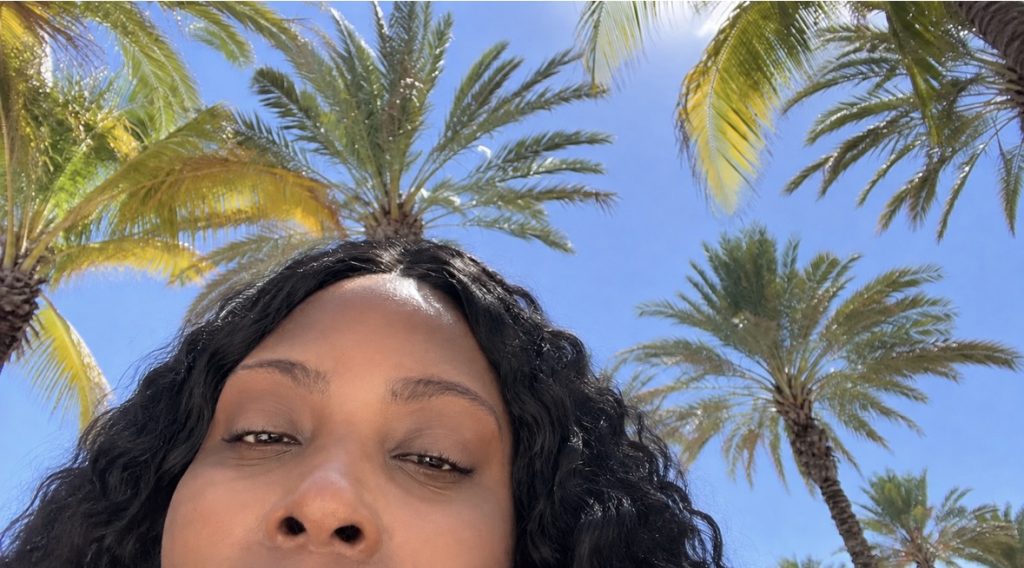
Black woman friendly destinations are something many of us research before booking an international trip.
Thank you for reading this post, don't forget to subscribe!Is Portugal safe for Black women? Is Thailand friendly to Black travelers? What is it like traveling to Japan while Black? Do people stare at Black tourists in [destination]?
If you’ve ever typed one of those questions into Google, trust me, you’re not alone.
I’ve done it too.
When planning a trip, knowing whether a destination is considered “safe” doesn’t always tell you everything. A place can have low crime, good public transportation and a reputation for being safe for women. But that doesn’t tell you what your experience might be as a woman of color.
Sometimes we’re looking for more specific answers.
Will I feel comfortable walking around by myself? Will I constantly feel like people are watching me? How are Black travelers treated? Can I find places where people look like me? What if someone becomes overly curious about my appearance?
And yes, am I going to spend my entire vacation explaining that my hair is not a tourist attraction?
These are questions you won’t always find on a typical list of the safest countries for solo female travelers.
That’s exactly why I wanted to write this article.
This Isn’t About Being Afraid to Travel
Before we go any further, let’s clear something up.
Finding Black woman friendly destinations starts with understanding that safety, comfort and cultural experiences all matter.
This is not a “don’t travel here because you’re Black” article.
I’m not trying to scare you out of booking that dream vacation. And this definitely isn’t a pity party.
There is a huge, beautiful world outside our front doors. Women who look like us are exploring it every single day.
We’re taking cruises, booking solo trips and traveling with our girlfriends. We’re celebrating birthdays overseas, going on honeymoons and working remotely from different countries.
Sometimes we’re simply hopping on a plane because we need a change of scenery.
And I love that for us.
But traveling confidently doesn’t mean traveling blindly.
There’s a difference between being afraid of the world and being informed about it.
Do Your Research Before You Book
That’s what this article is about.
I want to help you research a destination before you spend your money, board a plane and find yourself somewhere completely unfamiliar.
And I don’t mean relying on a generic travel guide.
I want you to look at the experiences of women who have actually been there.
Sometimes the most useful travel information isn’t on a hotel website or a tourism board’s Instagram page.
You might find it in somebody’s three-year-old YouTube video.
A useful discussion may be buried in a Reddit thread.
Facebook travel groups can offer firsthand experiences too.
And sometimes it’s in a TikTok storytime that starts with, “Okay, y’all need to hear what happened to me…”
Because honestly, that might be exactly the information you need.
What Makes a Destination Black-Woman Friendly?
When I say a destination is “Black-woman friendly,” I’m not saying that every person there will love you, every interaction will be perfect or that you won’t experience an awkward moment. There isn’t one universal definition of Black woman friendly destinations because every traveler has different expectations.
That’s unrealistic anywhere, including at home.
I’m talking about the overall experience.
A place can be physically safe while still being uncomfortable. Another destination might have some petty crime but offer a strong sense of community and make you feel completely at ease. One city may have a large African or Afro-diaspora population where seeing people who look like you is part of everyday life. Another may have very few Black residents, which could mean you’re going to stand out more than you’re used to.
None of those things automatically makes a destination good or bad.
They’re simply things worth knowing before you go.
Look Beyond Crime Statistics
For me, a destination vibe check should look at more than crime statistics. I want to know about the experiences of women traveling alone, how tourists are treated, whether there are concerns about racial profiling or harassment, what other travelers have experienced and whether there are resources or communities available if you need them.
I also want to hear from women who have actually visited. Tourism advertisements can show you beautiful beaches, luxury hotels and picture-perfect attractions, but they don’t always tell you what the everyday experience is like.
And then there’s something that doesn’t always make it into a travel safety report:
How does it feel to be there?
That matters too.
When comparing Black woman friendly destinations, I want to consider the experiences of actual travelers rather than relying only on tourism advertisements. Because the goal isn’t to find a destination that checks every box for everyone. It’s to understand what you might encounter and decide whether the experience is right for you.
How to Research Black Woman Friendly Destinations
Before you book that flight, reserve a hotel or finally commit to that cute little Airbnb you’ve been stalking for three weeks, do some digging.
Researching Black woman friendly destinations starts with asking better questions.
Don’t just search:
“Is [destination] safe?”
Get specific. You want to find experiences from women who may have traveled under similar circumstances and have some insight into what you could encounter.
Try searching:
- Is [destination] friendly for solo Black women?
- Traveling to [destination] while Black
- Black women traveling to [destination]
- Solo female travel [destination]
- Black travelers’ experiences in [destination]
- Racism against Black travelers in [destination]
- Do people stare at Black tourists in [destination]?
- Black expats in [destination]
- Black-owned businesses in [destination]
- Black hair salons in [destination]
That last group of searches might seem oddly specific if you’ve never had to think about it.
But if you’ve ever traveled with braids, locs, a wig, extensions or natural hair, you already understand why knowing where to find a salon or products you actually use can be part of feeling comfortable away from home.
And don’t stop at Google.
Look through YouTube videos, travel forums, social media discussions and firsthand reviews. Search for experiences that go beyond the usual tourist attractions and hotel recommendations.
Go Beyond the Basic Travel Safety Checklist
Researching Black woman friendly destinations means looking at more than crime rates and general travel advisories.
Consider how you’ll get around, whether you’ll feel comfortable exploring independently, what other Black women have experienced and whether you’ll have access to things that make your stay easier.
The more specific your research, the better prepared you’ll be to decide whether a destination fits your travel style and comfort level.
If you’re planning a solo trip, take a look at my solo female travel safety tips for more things to consider before you book.
Don’t Just Read Travel Blogs. Find the Women Who Actually Went.
One of the best things about traveling in 2026 is that we have access to firsthand experiences that travelers a generation ago didn’t have at their fingertips.
Before I book somewhere new, I want to see people actually experiencing the destination.
YouTube is great for this because you get to see more than the polished hotel photos and promotional videos. Search for vloggers who have visited the destination, especially solo female travelers whose travel style resembles yours.
Watch how they move through the airport, take transportation, walk around their neighborhoods, interact with locals and navigate the places you’re considering visiting.
TikTok and Threads can be useful too, especially when you’re looking for more recent experiences. Just remember that viral doesn’t automatically mean accurate.
And then there’s Reddit.
I know, I know.
But Reddit can be a goldmine when you’re looking for very specific travel experiences. Instead of searching the entire internet and hoping someone has written about what you’re looking for, try searching within communities where travelers are already having those conversations.
For example:
site:reddit.com/r/blackladies [destination]site:reddit.com/r/blacktravel [destination]
You’re not looking for one person to give you permission to visit a country. You’re looking for patterns.
If one person says, “I had a weird experience,” take note.
If twenty different women who traveled at different times describe the same issue, I’m paying much closer attention.
That’s the difference between letting one bad review scare you away and actually doing your homework.
Look for Experiences That Match Your Travel Style
Pay attention to who is sharing the experience and how they traveled.
A woman staying at an all-inclusive resort may have a completely different experience from someone exploring a city independently. Someone traveling with friends may encounter different situations than someone traveling alone.
Look for details that help you picture what your own trip might be like.
And if you want to see how another traveler’s experience can help you plan your own trip, you can check out my Princess Cruises review.
Safe Doesn’t Always Mean Comfortable
This might be the most important part of the entire conversation.
We tend to use the word safe as if it covers everything.
It doesn’t.
A destination can be safe from a crime standpoint and still offer cultural experiences that make some travelers uncomfortable. Maybe people stare. Maybe strangers are unusually curious about your appearance. Perhaps you’re frequently asked for photos or someone reaches toward your hair without asking. You might even notice that customer service changes when you walk through the door.
Those experiences don’t necessarily mean you’re in physical danger.
But that doesn’t mean they don’t matter.
Travel should be enjoyable. You shouldn’t have to convince yourself that something uncomfortable is “no big deal” simply because nobody technically hurt you.
At the same time, we have to leave room for cultural differences. Not every stare is racism. Not every request for a photograph is malicious. And not every awkward interaction means a destination is hostile toward you.
Context matters.
That’s why firsthand experiences are so valuable. They can help you understand the difference between standing out because people aren’t accustomed to seeing tourists who look like you and being repeatedly treated poorly because of your race.
Those are two very different experiences.
Consider What You’re Comfortable With
This is where your personal comfort level comes into play.
Some women may not mind the attention. Others may find it exhausting or uncomfortable. Neither experience is wrong.
The point isn’t to decide how every Black woman should feel about a destination. It’s to gather enough information to understand what you might encounter and decide whether you’re comfortable with it.
Because a place doesn’t have to be physically dangerous for you to decide it isn’t somewhere you want to vacation.
Your comfort belongs in the conversation, too.
And Please Keep Your Hands Out of My Hair
Let’s talk about it.
Because there are few things that can take a woman from enjoying her vacation to thinking, “Did you really just do that?” faster than somebody reaching for her hair without permission.
Maybe your braids are beautiful, your curls are huge or your locs are long. Perhaps you’re wearing a wig and somebody genuinely has no idea it’s a wig.
Curiosity is understandable.
Touching somebody without permission is not.
Your hair is part of your personal space, and you have every right to establish that boundary regardless of where you are in the world.
If someone asks before touching it and you’re comfortable saying yes, that’s your choice. But if you’re not comfortable, a simple response is enough:
“Please don’t touch my hair.”
You Don’t Owe Anyone an Explanation
You don’t need to smile while saying it or give someone a history lesson about Black hair.
There is no explanation required. And you definitely don’t have to allow someone to touch you just because you don’t want to seem rude.
If you’d prefer a softer response, you can say:
“You can look, but please don’t touch.”
But if someone reaches toward you anyway, be more direct:
“No, please don’t touch me.”
Period.
Being respectful of another culture does not mean abandoning your own boundaries. You can be friendly, enjoy conversations and remain open to new experiences without giving anyone permission to invade your personal space.
Black Woman Friendly Destinations Worth Exploring
These are some Black woman friendly destinations worth researching for your next trip.”
In the conclusion: “Finding Black woman friendly destinations is about making informed choices, not limiting where we can go. Now let’s get to the fun part.
Because after all this talk about research, boundaries and paying attention, I don’t want you leaving this article thinking the world is one giant red flag.
It isn’t.
There are plenty of destinations where women who look like us have reported feeling comfortable, welcomed, curious in a good way, connected to the culture, or simply able to enjoy their vacation without constantly thinking about how they are being perceived.
And there isn’t one universal “best” destination. What feels peaceful to one woman might not be what another woman wants at all.
Every woman has her own idea of the perfect destination. One traveler may want a place where she can blend in, while another wants to feel deeply connected to Black or African culture. Nightlife might be a priority for one woman. For someone else, it’s all about beautiful beaches or a destination rich in history. And then there are women who simply want to walk around a beautiful city with a coffee in hand and nobody bothering them.
So instead of giving you a ranking from one to ten, think of these as destinations worth putting on your vibe-check list.
The following Black woman friendly destinations offer different experiences, from cultural connections and city adventures to beaches and opportunities to explore somewhere new.
Portugal
Portugal continues to come up when Black travelers talk about destinations they enjoyed, particularly Lisbon and Porto. It also has established African communities, including people with roots in Angola, Cape Verde, Guinea-Bissau and other Portuguese-speaking African countries.
That matters because sometimes one of the biggest comforts of international travel is simply not feeling like you’re the only person in the room who looks like you.
Lisbon also has the advantage of being relatively easy to navigate for visitors, and the U.S. State Department currently lists Portugal at Level 1, recommending normal precautions while noting that travelers should remain aware of petty theft in crowded tourist areas and on public transportation. (Travel.state.gov)
Of course, Portugal isn’t a magical racism-free bubble. No country is.
But if you’re looking for a European destination where you can combine beautiful architecture, food, beaches, history and access to established African communities, Portugal is absolutely one I’d research.
Ghana
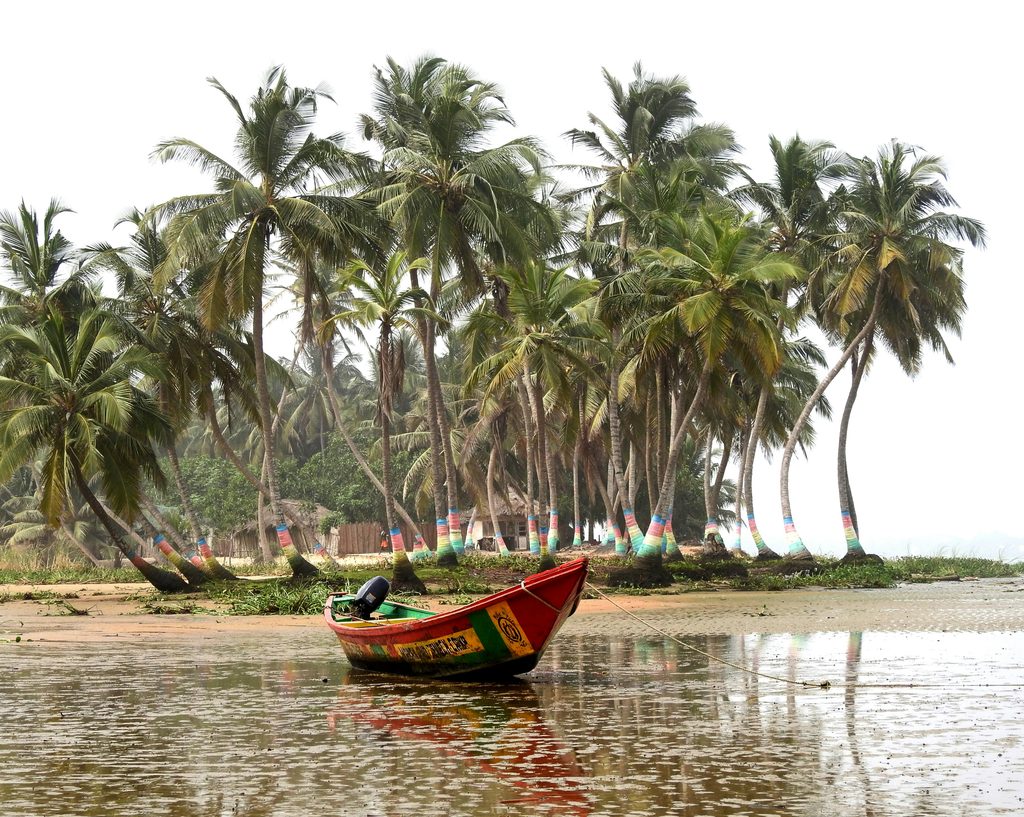
Ghana is a destination that carries a different kind of significance.
For many people of African descent, traveling to Ghana isn’t simply another international vacation. It’s an opportunity to connect with history, culture and the African diaspora in a way that can feel deeply personal.
Accra is frequently recommended by Black women travelers, and travel writer Stephanie Yeboah included it among her top destinations for solo Black women based on her own experience and feedback from other travelers. (Lonely Planet)
But here’s where our vibe check comes in again.
Ghana is not automatically “safe” simply because it is predominantly Black. The U.S. State Department currently recommends increased caution because of crime, poor health infrastructure and violence against women, with additional caution advised in some northern areas. (Travel.state.gov)
That’s an important distinction.
Feeling culturally comfortable and being physically safe are two different things, and you need to research both.
Thailand
Thailand is another destination that repeatedly appears in conversations among solo Black women travelers.
Bangkok, Chiang Mai and the country’s beach destinations offer a combination that makes Thailand appealing to many solo travelers: strong tourism infrastructure, affordable options, plenty to do and a culture that many visitors describe as welcoming.
A 2025 Lonely Planet feature based on Black female travelers’ recommendations also included Thailand among its top destinations. (Lonely Planet)
And the current U.S. travel advisory is Level 1 for Thailand overall, although certain southern provinces and areas near the Thai-Cambodian border carry additional warnings. (Travel.state.gov)
You may stand out. You may get curious looks. Someone may be fascinated by your hair. But standing out isn’t automatically the same thing as being unsafe.
That distinction matters.
Japan
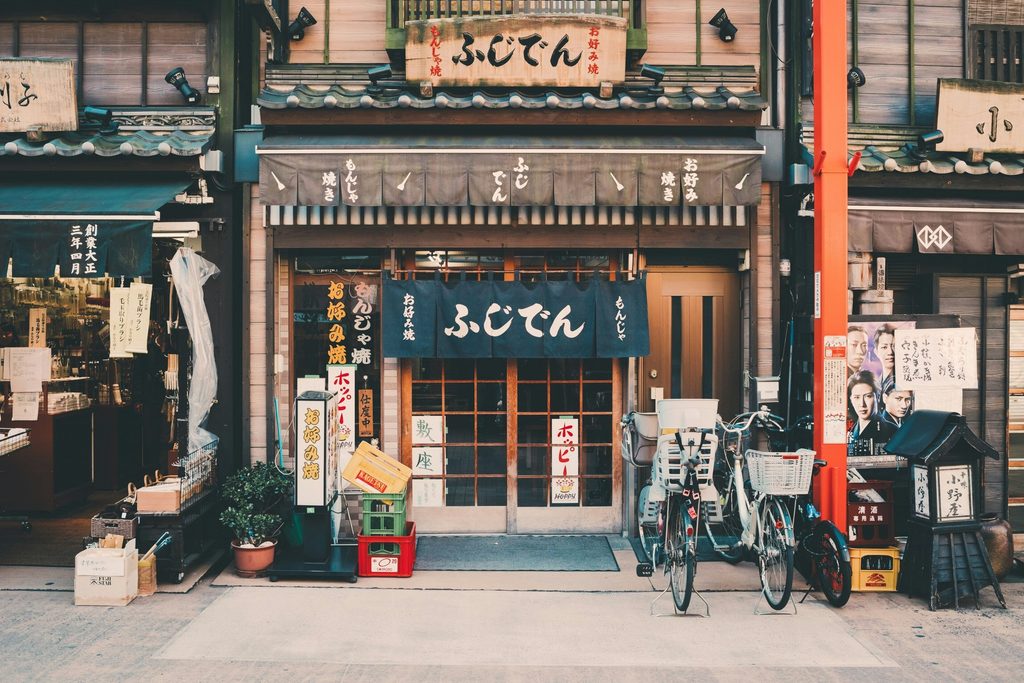
Japan is one of those destinations where the conversation can get interesting because physical safety and cultural experience aren’t necessarily the same conversation.
Black travelers have shared both positive and complicated experiences, including everything from feeling extremely safe and welcomed to experiencing curiosity or being treated differently as a foreigner.
Japan also has a longstanding relationship with Black American music and culture, particularly hip-hop, jazz and street fashion. Lonely Planet included Tokyo among its recommended destinations for solo Black women and highlighted the city’s appreciation of Black culture and helpfulness toward visitors. (Lonely Planet)
The lesson here isn’t “Japan is perfect.”
The lesson is that you can have an incredibly safe trip while still occasionally feeling very visible.
And honestly, I think that’s something worth knowing before you go.
South Korea
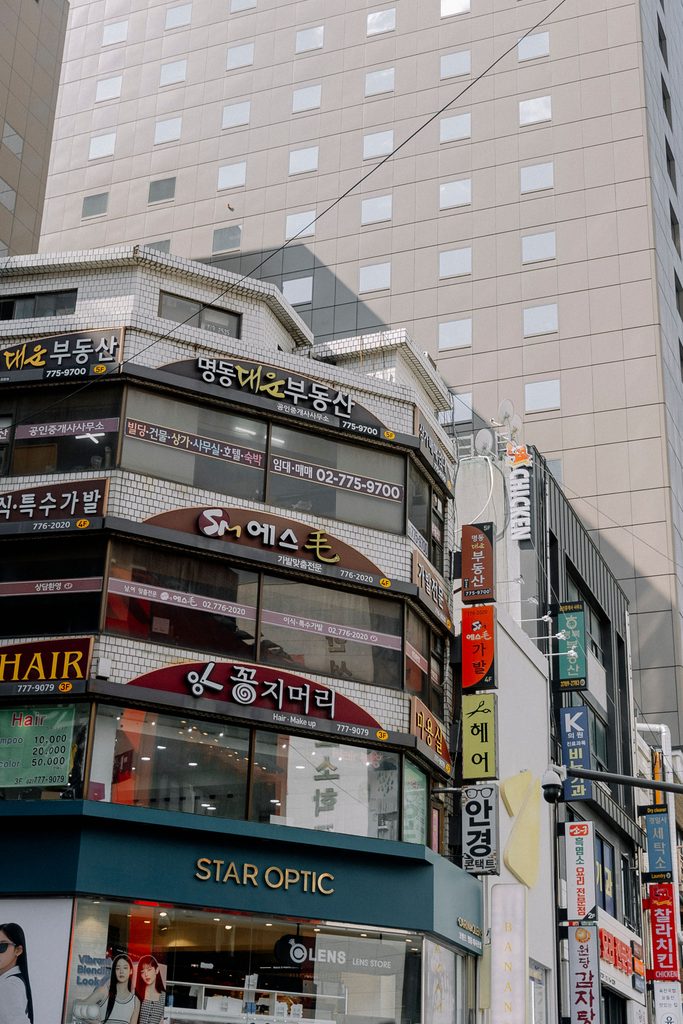
South Korea is another destination that frequently comes up in conversations among Black travelers, particularly people interested in Seoul’s beauty, food, nightlife, shopping and pop culture.
The U.S. State Department currently lists South Korea at Level 1, while noting that large demonstrations can occur and that travelers should remain aware of developments on the Korean Peninsula. (Travel.state.gov)
Community experiences are mixed in the way you would expect from any destination. Some travelers describe feeling very comfortable, while others mention staring or feeling particularly noticeable.
That doesn’t mean you should cross Korea off your list.
It means you should know what kind of experience you’re signing up for.
If being stared at occasionally would ruin your entire vacation, you might want to research that aspect more heavily before booking.
If you’re okay with being visibly foreign and want to experience the culture for yourself, you may have a completely different takeaway.
Iceland
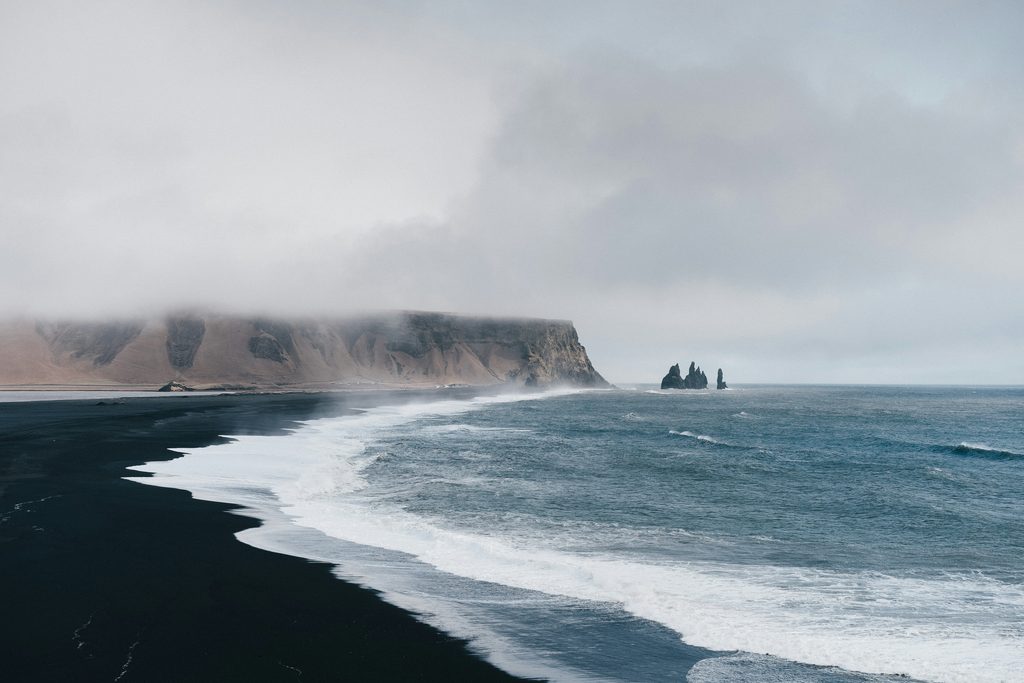
Iceland is a little different from some of the other destinations on this list because the appeal here is less about a large Black community and more about the country’s overall safety reputation and travel environment.
The U.S. State Department currently lists Iceland at Level 1 and describes it as generally safe for travelers, while warning about changing weather, volcanic activity, earthquakes and petty crime in popular tourist areas. (Travel.state.gov)
For someone who wants a quieter trip, dramatic scenery and a destination where personal space is valued, Iceland may be worth putting on your list.
Just don’t confuse “safe” with “nothing can happen.” Nature itself is one of the bigger risks there.
Guatemala
Guatemala deserves a little more nuance.
Antigua and Lake Atitlán are frequently recommended in travel communities for their scenery, culture and slower pace, and they can absolutely make for memorable trips.
But this is a perfect example of why I don’t want to tell you that a destination is simply “safe” or “unsafe.”
The U.S. State Department currently lists Guatemala at Level 3, citing crime and terrorism, and specifically identifies several areas travelers should avoid. (Travel.state.gov)
So if Guatemala is on your list, don’t simply read a few positive travel stories and book the flight.
Research your exact destination, transportation, neighborhood and tour operator. Know where the higher-risk areas are and plan accordingly.
A beautiful destination can still require good travel habits.
Read About My visit https://superiorsistatravel.com/guatemala-travel-guide/
Cartagena, Colombia
Cartagena is another destination where cultural connection and physical safety need to be considered separately.
The city has a highly visible Afro-Colombian culture, and places such as Getsemaní are known for music, art, nightlife and street culture. That cultural visibility is part of what makes Cartagena so appealing to many travelers.
But Colombia currently carries a Level 3 U.S. travel advisory because of crime, terrorism, civil unrest, kidnapping and natural disasters, with specific areas under stronger restrictions. The State Department also warns about street crime, robbery, drugging and other crimes in some areas. (Travel.state.gov)
So yes, Cartagena can absolutely be a beautiful experience.
But this is not the destination where I’d tell a first-time solo traveler to throw all caution out the window because “everybody loves it.”
And keep your phone in your hand instead of waving it around like you’re filming the next season of your own reality show.
San Juan, Puerto Rico
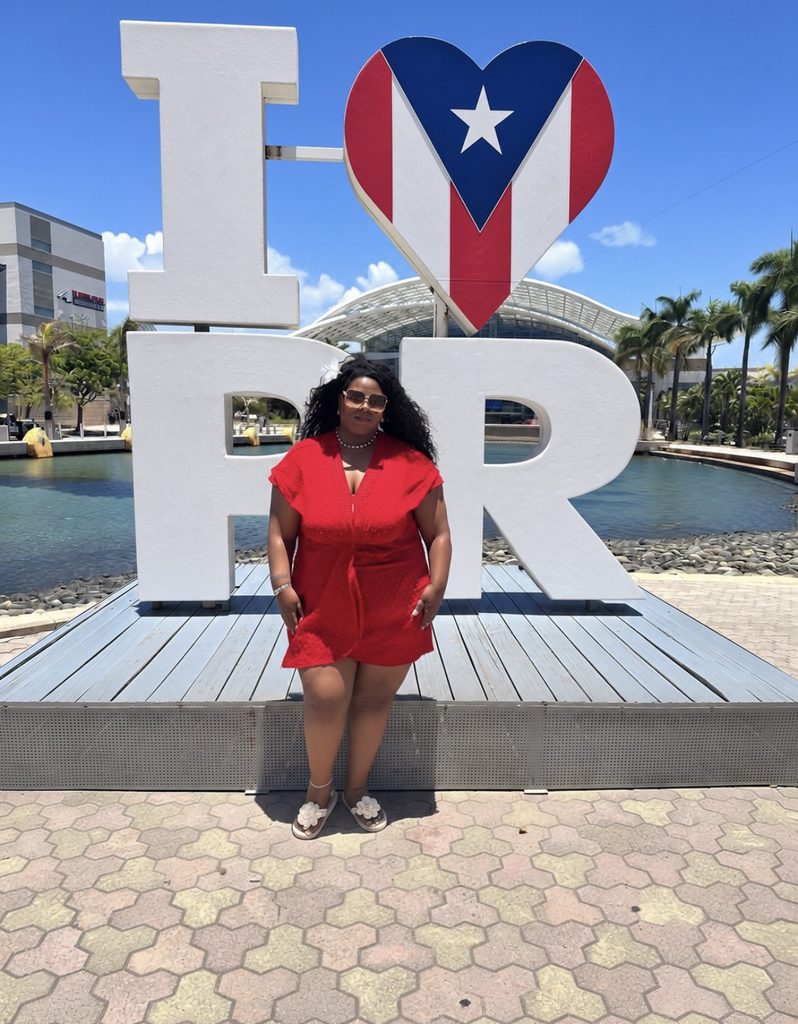
San Juan is another option that can feel especially approachable for U.S. travelers because you’re not dealing with the same international logistics as traveling to another country.
You still need to use common-sense safety practices, but the combination of Caribbean culture, beautiful beaches, food, nightlife and the island’s Afro-Puerto Rican history makes Puerto Rico an easy destination to consider when you want an international-feeling trip without leaving the U.S. system entirely.
And if you’re interested in Afro-Puerto Rican culture, don’t stop your research at the resort areas. Look beyond the beach and learn about communities such as Loíza, where African heritage is an important part of the cultural story.
Sometimes the best part of a trip starts when you leave the resort bubble.
If Puerto Rico is on your list, I also have a San Juan, Puerto Rico travel guide to help you explore the destination.
Mexico City
Mexico City has become another popular recommendation in online conversations among solo travelers, including Black women.
Roma Norte, Condesa and other popular neighborhoods offer restaurants, museums, cafés, parks and a city experience that can feel very different from the resort version of Mexico many Americans know.
But Mexico is another place where you need to research the specific destination, not just the country.
The current U.S. advisory is Level 2 overall because of crime, terrorism and kidnapping, and individual Mexican states have different advisory levels. (Travel.state.gov)
So if you’re considering Mexico City, look at Mexico City.
Don’t let someone’s experience in Tulum, Cancún, Cabo or another state become your entire picture of the country.
Bali, Indonesia
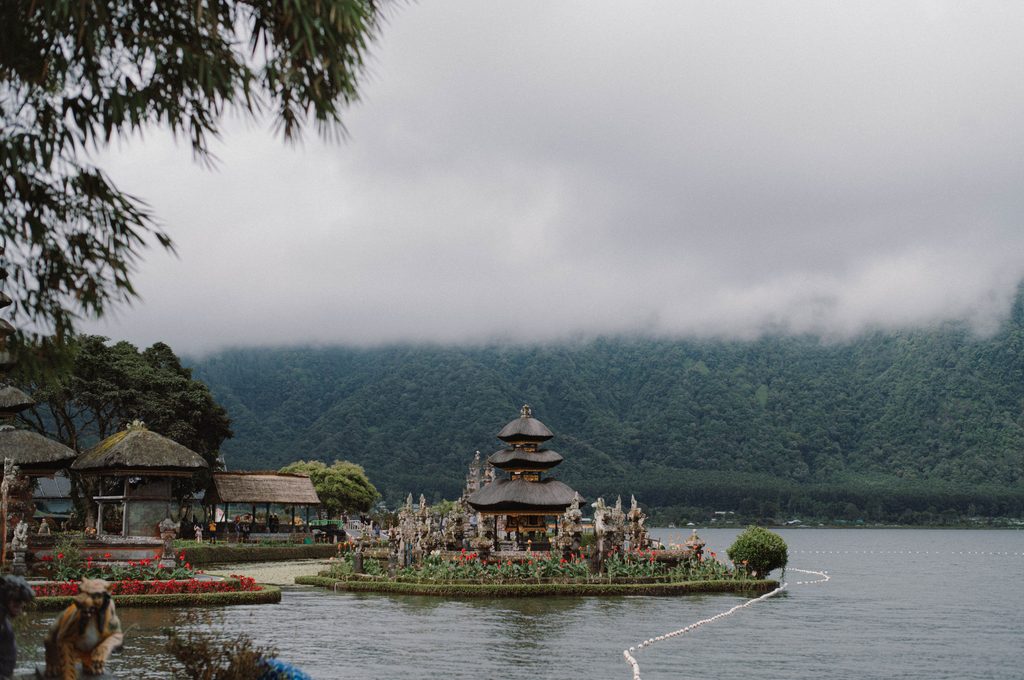
Bali is often recommended by women looking for wellness, beaches, beautiful resorts and a slower vacation pace.
Ubud and Canggu are especially popular with travelers looking for wellness retreats, cafés, yoga, digital-nomad communities and a more relaxed experience.
There are also Black women living, working and traveling throughout Bali, which can make it easier to find community online before you arrive.
Indonesia currently carries a Level 2 U.S. travel advisory because of natural disasters, terrorism and unrest, with specific areas subject to stronger warnings. (Travel.state.gov)
Again, the destination itself isn’t the whole story.
Research the island, neighborhood and current conditions before you go.
Places Where You May Want to Think Twice
Now let’s talk about the other side of the vibe check.
I’m intentionally calling this section “places where you may want to think twice” instead of “places Black women should never visit.”
Because I don’t believe in telling grown women where they can and cannot travel.
And there are places where the concern isn’t simply racial comfort. It may be harassment, crime, political instability, health risks or a combination of several things.
Egypt
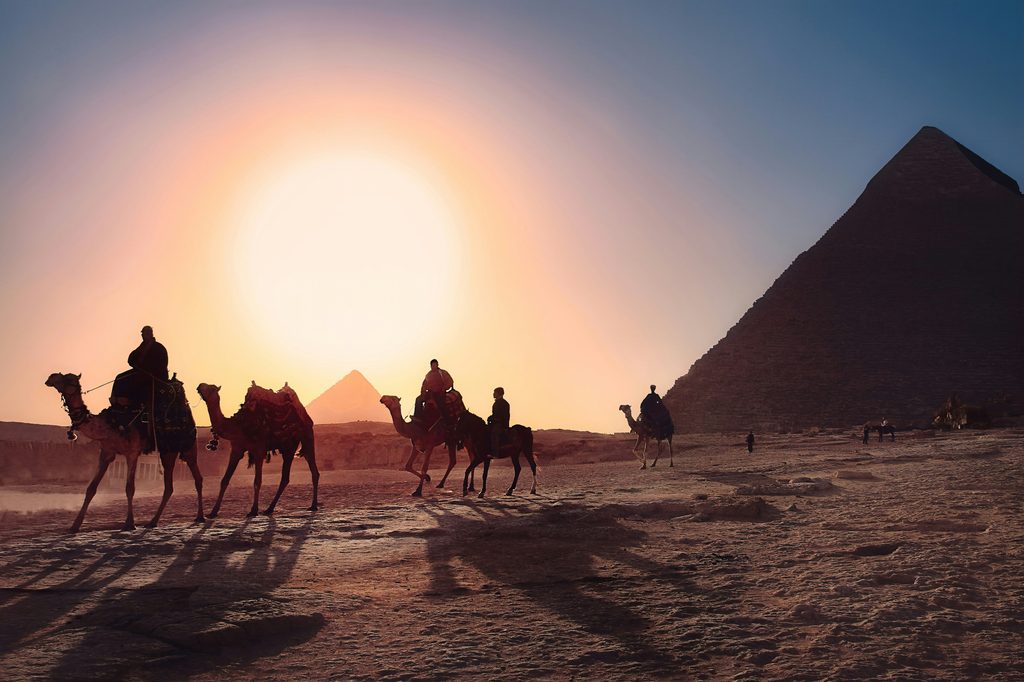
Egypt is one destination where I would tell a solo woman to do serious research before booking.
This isn’t based simply on social-media stories.
The U.S. State Department specifically warns women traveling in Egypt that they may face unique security challenges and recommends avoiding solo travel. It also reports incidents of groping in taxis and public places and harassment of women traveling alone. (Travel.state.gov)
For a Black woman, you may also want to research the experiences of other Black travelers specifically, because your experience isn’t necessarily going to be identical to that of a white tourist traveling with a tour group.
If Egypt is your dream destination, that doesn’t mean you have to give up on it.
It may mean choosing a reputable group tour, using a trusted guide, staying in established tourist areas and being much more intentional about how you move around.
India
India is another destination where I would do much more than a basic Google search before traveling solo.
The country is enormous, so saying “India is safe” or “India is unsafe” doesn’t really tell you anything useful.
Instead, research the exact city, your transportation, the neighborhood where you’ll stay and recent experiences from women who have traveled there.
And yes, specifically search for Black women who have gone.
If you repeatedly see women describing unwanted photographs, staring, crowding, harassment or feeling uncomfortable in particular circumstances, don’t ignore that information just because somebody else had a beautiful vacation.
You don’t have to prove that you’re a fearless traveler by putting yourself in an environment you’re not comfortable navigating.
Marrakech and Morocco
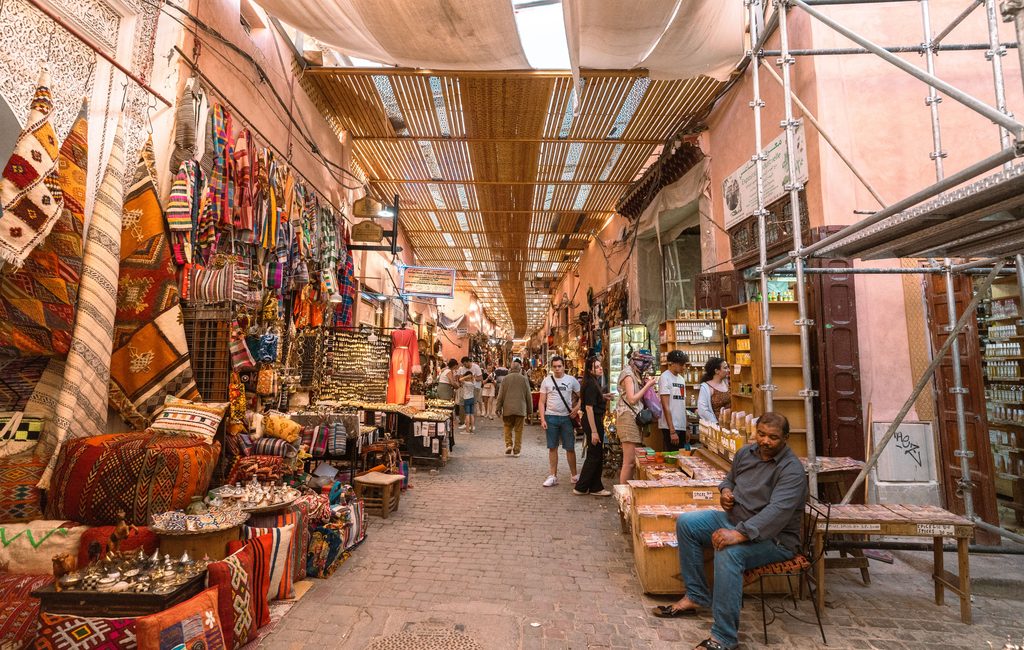
Morocco is another destination where I would separate the beauty of the country from the realities of navigating certain tourist environments.
Marrakech can be absolutely stunning. The architecture, colors, food, markets and riads are a huge part of why people fall in love with it.
But the souks can also be intense.
Add in the possibility of aggressive vendors, scams, unwanted attention and the experience of being a visibly foreign woman, and some travelers find the experience exhausting rather than relaxing.
Morocco is currently a Level 2 destination according to the U.S. State Department because of terrorism risk, including the possibility of attacks in tourist areas, transportation hubs and markets. (Travel.state.gov)
That doesn’t mean “don’t go.”
It means go informed.
And if you’re traveling alone, research the exact experience you’re looking for rather than assuming every part of the country will feel the same.
Tunisia
Tunisia is another destination where current conditions matter.
The U.S. State Department currently lists Tunisia at Level 2 because of terrorism, crime and unrest, with certain border regions under Level 4 do-not-travel restrictions. It also warns travelers about petty crime in tourist areas and violent crime after dark. (Travel.state.gov)
This is a perfect example of why old TikTok videos shouldn’t be your only source of travel safety information.
A woman may have had an amazing trip two years ago.
That doesn’t automatically tell you what the situation looks like today.
Johannesburg and South Africa
South Africa is complicated because it offers incredible tourism, culture, history, food and scenery, but certain areas also have significant crime concerns.
The U.S. State Department currently recommends increased caution throughout South Africa because of crime, terrorism, unrest and kidnapping. It specifically notes that violent crime can include robbery, rape, carjacking and mugging. (Travel.state.gov)
That doesn’t mean you can’t visit South Africa.
It means your itinerary matters.
Your hotel matters.
Your transportation matters.
Whether you’re walking alone at night matters.
And if you’re going to Johannesburg, Cape Town or another city, research that city instead of treating “South Africa” like one giant neighborhood.
What About the Places That Make You Stand Out?
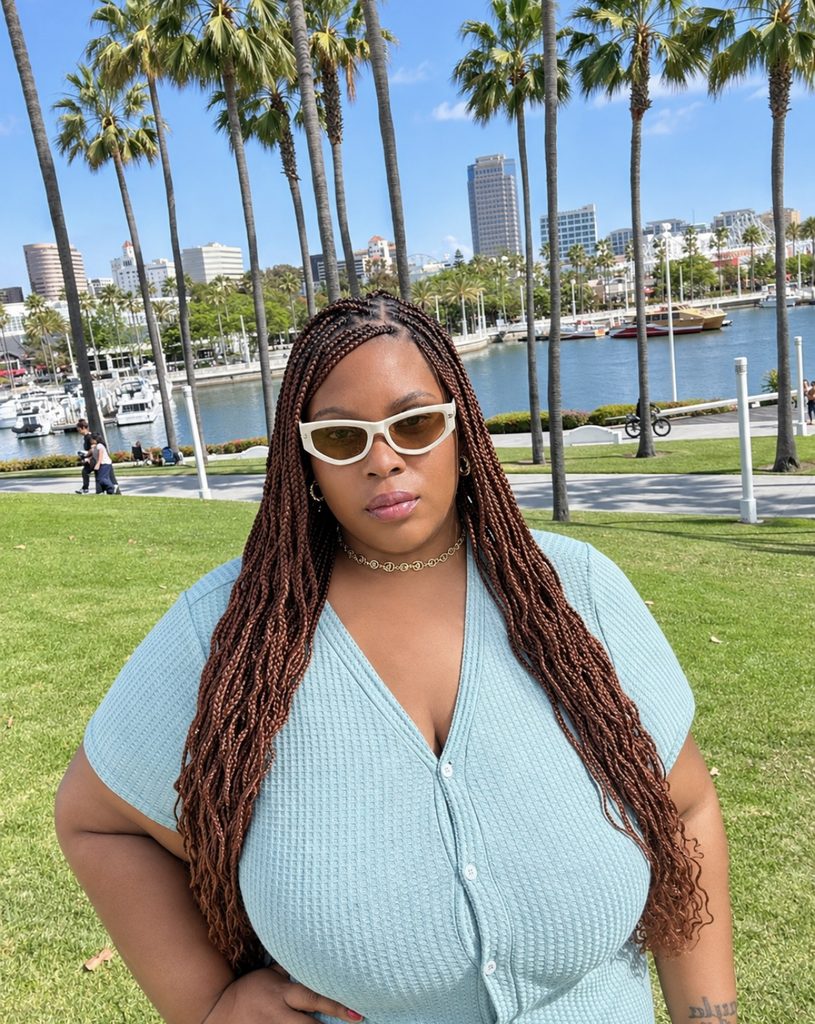
When researching Black woman friendly destinations, remember that feeling welcomed, feeling comfortable and feeling physically safe are related, but they’re not the same experience.
This is where I want to come back to Asia because I think this conversation gets oversimplified online.
You might visit a place where people stare or ask to take your photograph. Someone may compliment your hair and then reach toward it without asking. Others may simply be curious because they don’t see many Black tourists where they live.
Let’s be honest. That kind of attention can get uncomfortable, especially when you’re just trying to enjoy your vacation.
But standing out doesn’t automatically mean you’re in danger.
At the same time, you don’t have to convince yourself that you’re being “too sensitive” when an interaction makes you uncomfortable. Your feelings are valid, and you’re allowed to decide what you’re willing to deal with while traveling.
There’s also a difference between cultural curiosity and treating every unfamiliar interaction as racism. Context matters, and so does how someone responds when you establish a boundary.
Your Comfort Is Part of the Vibe Check
This is one of the reasons I prefer a destination vibe check over a simple “safe or unsafe” rating.
I’m not just asking whether I can visit a place without worrying about crime. I’m also considering whether I can relax, enjoy myself and feel comfortable being who I am.
You can acknowledge cultural differences while still having personal boundaries.
Travel is nuanced. People are nuanced.
And your comfort level matters.
What to Do If Someone Wants a Picture
This situation can be a little awkward because, honestly, sometimes you genuinely don’t mind taking a picture with someone.
If you’re comfortable, go ahead and pose for the picture. No harm in that.
But if you’re not interested, a simple response is enough:
“Sorry, no photos.”
And if they keep asking?
“No, thank you.”
You don’t have to keep explaining yourself.
If someone starts taking pictures without your permission and you’re uncomfortable, move away or cover your face. You have every right to protect your personal space.
You Don’t Owe Anyone Access to You
Just because you’re visiting someone’s country doesn’t mean you’re obligated to take photographs with strangers.
The same goes for questions about your hair, clothes or appearance. If someone approaches you with genuine curiosity and you’re comfortable having the conversation, there’s nothing wrong with being friendly and sharing a little about yourself.
Travel is also about experiencing other cultures, meeting people and having conversations you might not have at home.
The goal isn’t to walk around with your walls completely up.
It’s about knowing when you’re comfortable opening the door and when you’d rather keep it closed.
Your Safety Plan Should Start Before You Leave Home
Now let’s get into the practical stuff.
Sometimes the most important safety decision you make happens before you ever get on the plane.
Share Your Travel Plans With Someone You Trust
Tell somebody where you’re going.
Not just the country.
Give someone you trust your flight information, hotel name, transportation plans and general itinerary. If you’re taking a day trip somewhere, let someone know.
And please, actually check in.
You don’t need to send your friend a dissertation every three hours, but a simple “I made it back to the hotel” can go a long way.
I also recommend keeping copies of important documents somewhere secure. Have access to your passport information, travel insurance details and emergency contacts.
Plan Your Arrival Before You Land
Know how you’re getting from the airport to your hotel before you land.
That one is huge.
I don’t like landing somewhere I’ve never been, exhausted, dragging luggage and then standing outside trying to figure out whether the random person yelling “taxi!” is actually my ride.
No ma’am.
Have the plan before you arrive.
Download offline maps. Know the local emergency number. Learn a few basic phrases if you’re traveling somewhere where you don’t speak the language.
Use Official Travel Resources
And register your trip with the U.S. State Department’s Smart Traveler Enrollment Program (STEP), commonly called STEP. It allows the U.S. government to send safety updates and makes it easier for the embassy or consulate to contact you or your emergency contact during an emergency.
You can also check the current U.S. State Department travel advisory for your destination before you leave. Those advisories can change, which is another reason I don’t recommend relying solely on a TikTok from three years ago.
For destination-specific health information, you can also check CDC Travelers’ Health.
If you need to locate a U.S. embassy or consulate while abroad, use the official U.S. Embassies and Consulates directory.
And if you’re purchasing coverage for your trip, take a look at my guide to travel insurance for women.
Be Careful What You Post in Real Time
I’m a travel blogger, so trust me, I understand the excitement of wanting to post everything while you’re on vacation.
You make it to the airport? That’s content.
You check into that beautiful hotel? Of course, you want to show it off.
Your food arrives looking like somebody deserves an award? Absolutely post it. 😂
But there’s a difference between sharing your vacation and giving strangers a real-time map of your movements.
You don’t have to announce that you’re traveling alone or share your hotel room number. There’s also no need to reveal your exact location every time you walk out of the hotel.
If you’re traveling solo, consider saving some of those posts until after you’ve left the location.
Share Your Vacation Without Sharing Your Every Move
Your followers don’t need to know that you’re sitting alone at the rooftop bar right this minute.
They can find out tomorrow.
Enjoy the experience first. Take your pictures, record your videos and share those memories when you’re ready.
Your vacation content will still be cute even if you post it a few hours later.
Your Phone Is Not Your Security System
This is something I’ve picked up from watching travelers over the years: having your phone in your hand doesn’t automatically mean you’re safe.
It’s easy to get caught up in Google Maps, checking messages or trying to capture the perfect vacation photo. But don’t become so distracted by your screen that you stop paying attention to what’s happening around you.
If you need directions, step inside a café, hotel or store to figure out where you’re going. Keep an eye on your surroundings when getting into transportation and avoid flashing expensive jewelry or electronics unnecessarily.
Most importantly, if something doesn’t feel right, you don’t need to wait until you have proof that something is wrong.
Trust your instincts.
Don’t Ignore Your Gut Feeling
You can leave a situation without explaining yourself.
Change restaurants if the atmosphere feels uncomfortable. Ask the driver to let you out somewhere safe if something feels off. Walk into a hotel lobby, contact someone you trust or find a public place where you feel more comfortable.
And don’t worry about being perceived as rude.
Your safety is more important than somebody else’s feelings.
The Black Woman’s Travel Research Checklist
Before you book your next destination, I want you to do your own little vibe check. Your research into Black woman friendly destinations should reflect your own travel style, comfort level and expectations.
- Look up the official travel advisory and current safety information.
- Then look for recent experiences from women who have actually traveled there.
- Start with Reddit, then explore YouTube travel vlogs. Check TikTok and Threads for more recent conversations and firsthand experiences.
- Look through Facebook travel groups.
- Look for Black expat communities.
- Search the destination with specific questions instead of just searching “Is it safe?”
- Look for information about transportation.
- Look at the neighborhood where you’re staying.
- Research how you’ll get around at night.
- Find out whether rideshare apps are commonly used.
- Look up emergency numbers.
- Research local customs.
- Find out whether your hotel is in a tourist area or somewhere isolated.
- And if hair care matters to you, search for it before you need it.
“Black hair salon in [destination]” is not a ridiculous search.
Neither is “braids in [destination].”
Neither is “Black-owned businesses in [destination].”
Those little details can make a huge difference in how comfortable you feel.
You Don’t Have to Travel Like Anyone Else
One thing I really want women to stop doing is comparing their travel experiences to somebody else’s.
Just because one woman is comfortable taking public transportation alone at midnight doesn’t mean you have to be.
Maybe another traveler is perfectly happy carrying nothing but a backpack and booking a hostel. That’s great for her, but it doesn’t mean that has to be your style.
And if somebody loves solo travel and says she never felt nervous? Girl, good for her!
Your vacation should be built around what makes you feel comfortable, not what somebody else considers the right way to travel.
There’s nothing wrong with booking the nice hotel, choosing an organized excursion or arranging a private airport transfer. You can travel with a friend, join a group or decide to explore a destination on your own.
And if solo travel isn’t your thing, that’s okay too.
Make the Trip Yours
You don’t have to prove how adventurous you are by putting yourself in situations you’re not comfortable with.
Travel isn’t a competition, and there’s no prize for being the most fearless person on the plane.
The goal is to experience the world in a way that feels good to you. Choose the travel style that fits your comfort level, your budget and the kind of memories you want to make.
And Don’t Forget the Travel Groups
If you’re nervous about traveling somewhere for the first time, you don’t necessarily have to figure everything out alone.
There are Facebook groups specifically for Black travelers, solo female travelers, cruise travelers, expats and women traveling to particular destinations.
Join them.
Search the old posts.
Ask questions.
Pay attention to women who have actually been there instead of only listening to people who have never visited.
Threads can also be useful for finding current conversations, and YouTube is especially helpful because you can watch someone physically navigate the destination.
Sometimes seeing a woman walk through the airport, take the train, enter a restaurant and walk back to her hotel tells you more than a perfectly written travel guide ever could.
Just remember that communities are sources of information, not absolute authorities.
Do your own research too.
What If You Experience Racism or Harassment?
Unfortunately, being informed doesn’t guarantee that you’ll never have a bad experience.
You could still encounter racism or sexism while traveling.
A stranger might make an offensive comment or stare at you. Someone may treat you differently or even cross a physical boundary.
If it happens, your first priority is getting yourself somewhere safe.
You don’t need to prove a point or educate the person. And you certainly don’t have to stay in an uncomfortable situation just because you’ve already paid for the experience.
Leave.
Find staff.
Go somewhere public.
Contact your travel companion or someone back home.
If a serious crime occurred, contact local authorities and your embassy or consulate as appropriate.
Once you’re safe, document what happened while the details are fresh.
Not because you need to convince the entire internet.
Your experience matters.
Sharing accurate information later can also help another traveler make a better decision.
The Goal Isn’t to Find a Perfect Destination
Ultimately, choosing among Black woman friendly destinations is about finding a place where you can enjoy the experience while making informed decisions. I don’t think a perfect destination exists.
Some destinations I might personally skip. Others might be places another woman visits and absolutely loves. Even within the same country, one neighborhood can feel completely different from another.
Portugal might be the place for you.
Perhaps Ghana is calling your name.
Thailand could be worth exploring.
You might find yourself drawn to Guatemala or Japan.
And don’t forget Puerto Rico!
Of course, your perfect destination might be somewhere I haven’t mentioned at all.
And honestly, that’s the beauty of travel.
There are too many places in this world to let one bad experience, one viral video or one outdated blog post decide where you can go.
Black Women, Go See the World
I started this article with a question:
How many times have you searched for a destination and added “for Black women” at the end?
I’m guessing if you’re still reading, you’ve probably done it more than once.
And I don’t think there’s anything wrong with that.
If anything, I think it’s smart.
We know that our experiences can be different. Being a woman can change how you’re treated and race can change how you’re perceived. Cultural differences can also make an experience feel completely different from what we’re used to at home.
So yes, research the destination.
Read the reviews.
Watch the videos.
Ask the questions.
Find the travel groups.
Look up the neighborhoods.
Check the current travel advisory.
Your Boundaries Still Matter
And if somebody tries to touch your hair?
“Please don’t touch my hair.”
You are allowed to have boundaries everywhere you go.
The World Is Still Waiting
But after you’ve done your homework, don’t let the fear of what might happen keep you from experiencing what could happen.
You might discover a city you absolutely fall in love with. Perhaps you’ll eat something you’ve never tried before or meet somebody who becomes a lifelong friend.
Maybe you’ll see a place that looks so beautiful in person that pictures don’t even do it justice. You might even come home with a completely different view of the world.
Traveling while Black doesn’t mean traveling scared.
It means traveling informed.
And there is a whole world waiting for us.